How to Prepare for a Professional Headshot Session
Pick 2–3 work-ready outfits, schedule your haircut 5–10 days before, and pack the night before. On shoot day, control shine, do a quick lint-and-collar check, and arrive calm so your expression looks natural. This guide gives you a simple timeline, a beginner checklist, and what to bring.

What to Do Before Your Headshot Photoshoot

Use this guide to make your headshot look intentional in tight crops and small circle thumbnails. That usually comes down to three things: a neckline and layers that frame your face, tidy grooming with controlled shine, and an expression you can repeat without forcing it. Keep wardrobe simple and work-appropriate, avoid loud patterns, and choose matte fabrics so your face stays the focus. If you wear glasses, clean the lenses and be ready to adjust the angle to reduce glare. A good prep check is the thumbnail test: take a quick phone selfie in window light and zoom out until your face is small. If your neckline, hair, and expression still read clearly, you are set.
Headshots are usually seen as tight crops and small circle thumbnails, and first impressions form quickly, so small details add up.
Prep timeline (quick view)
| When | Focus |
|---|---|
| 2-4 weeks before | Pick a direction, plan outfits, confirm goals, review pricing, and book your session. |
| Week before | Outfits, haircut timing, skincare consistency |
| Night before | Steam clothes, pack, sleep, hydrate |
| Day of | Matte finish, lint check, arrive calm |
Our best tip is simple: decide your outfits ahead of time so shoot day feels calm.
TL;DR: Headshot Prep Checklist (Beginners)
If you only do 8 things
- Choose 2–3 outfits you actually wear for workPrioritize fit, clean necklines, and matte fabrics. Bring a backup top.
- Get your haircut 5–10 days beforeAvoid brand-new styles right before your session so your hair settles naturally.
- Keep skincare steady and hydrateDo not test new actives or treatments right before. Consistency photographs best.
- Pack the night beforeSteam or iron clothes, pack accessories, and bring a lint roller and blotting papers.
- Aim for a natural, matte finishControl shine (especially forehead, nose, and chin) so your face reads cleanly in a thumbnail.
- Avoid last-minute changesMost problems come from switching hair, outfits, or products the day of. Keep it simple.
- Set one goal for your expressionPick a single intent (warmth, leadership, approachability, creativity) and repeat it.
- Plan for the cropLinkedIn and directories often use a small circle. Choose necklines and layers that frame your face.
If you do these eight things, you will look like yourself, only more intentional and more rested.
Quick Preparation Checklist
Week before the session
- Choose 2-3 work-appropriate outfitsPick 2–3 outfits you would actually wear for work. Prioritize fit, comfort, and clean lines near the neckline.
- Haircut timingGet a haircut 5–10 days before. Avoid brand-new styles right before the session.
- Hydrate and keep skincare steadyKeep skincare consistent and hydrate steadily. Avoid testing new actives or treatments.
Night-before routine
- WardrobeSteam or iron outfits and pack everything (including shoes, belt, and accessories).
- Sleep and rest tipsAim for good sleep. If you want a practical baseline, see the NHLBI overview on sleep deprivation. Heavy alcohol and very salty food can increase puffiness for some people.
Day-of headshot checklist
- Keep shine controlledIf you get shiny, use blotting paper or a light dusting of translucent powder for a matte finish.
- Do a final “camera check”Avoid tight straps right before (they can leave marks). Do a quick lint, wrinkle, and collar check before leaving.
- Pack a small essentials kitBring water, a lint roller, and any glasses or contacts you plan to wear.
Mental prep: set one simple goal (warmth, leadership, approachability, creativity) and let that guide outfit choice and expression practice. Most mistakes come from last-minute changes.
Use this checklist to stay calm: plan early, pack the night before, and keep shoot day simple.
Wardrobe and Color Theory
For everyone
Wardrobe is simple: pick clothes that match your real professional life, keep attention on your face, and reduce distractions (wrinkles, lint, shine, busy patterns). Necklines that open the collar area and structured layers often frame the face well. Bring 2-3 options and at least one backup top so you are not making decisions on shoot day.
Industry-specific cues (keep it authentic)
- Tech and startupsClean, modern basics often read best: solid tops, simple layers, and a polished fit. Avoid loud patterns that distract in a thumbnail.
- Finance and legalStructured layers and classic colors tend to signal reliability. If you normally wear a blazer, bring one that fits well.
- HealthcareAim for approachable and calm. Softer contrast and tidy grooming help your expression feel trustworthy without looking overly formal.
- Real estate and salesChoose wardrobe that looks consistent with how you meet clients. A clean neckline and a confident, friendly expression matter most.
- Creative rolesOne controlled “statement” element is fine. Keep the rest simple so your face stays the focus.
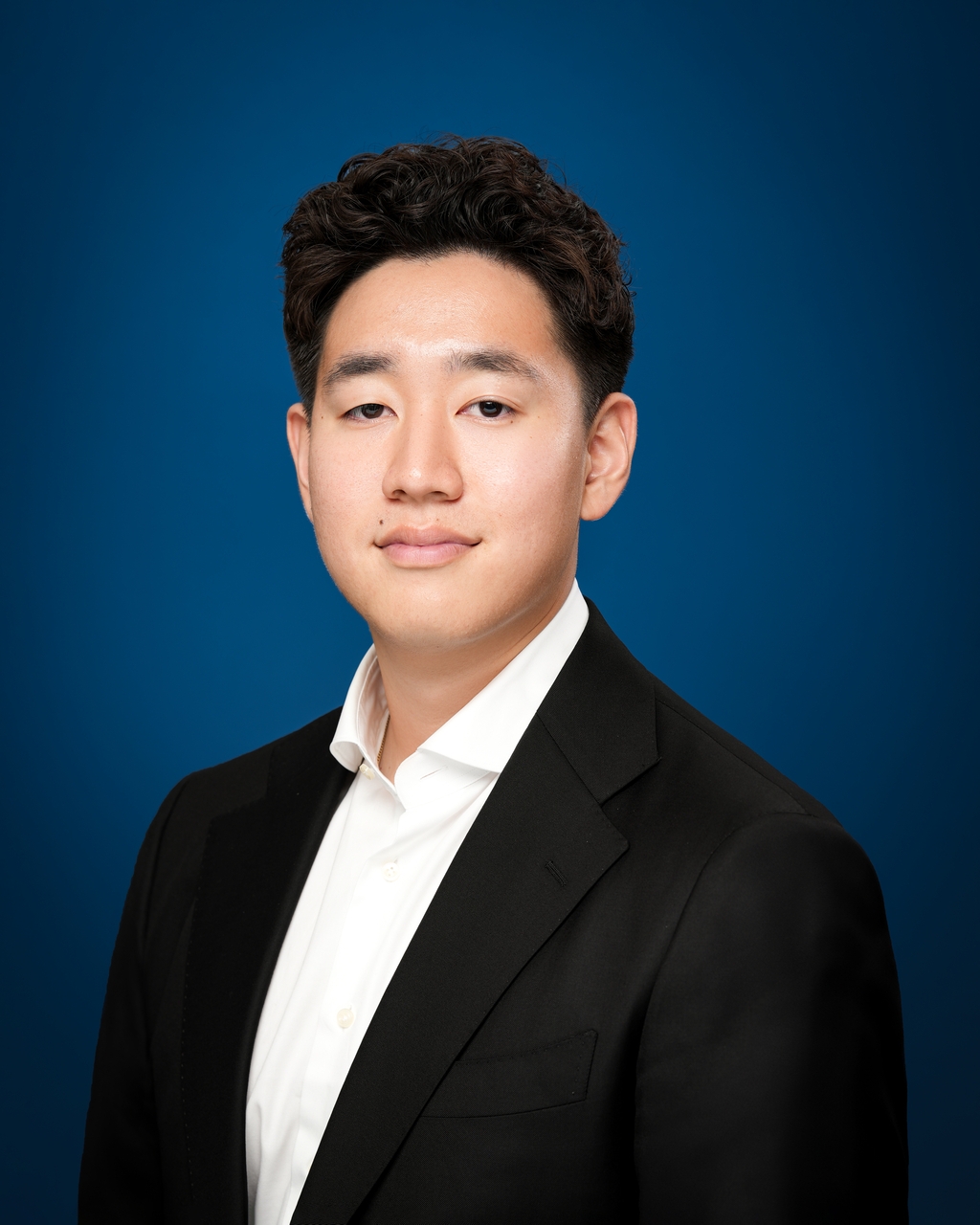
For men
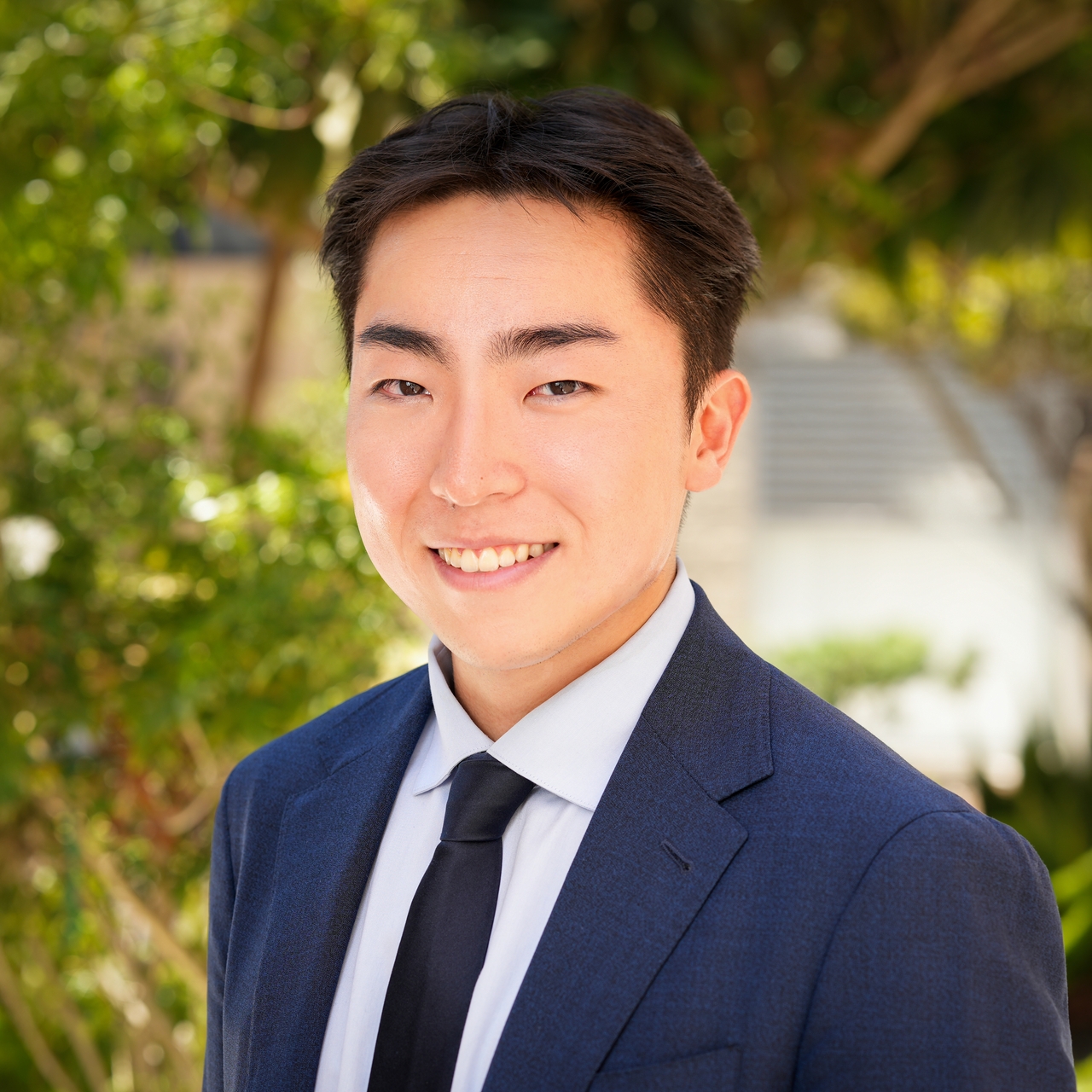
- Blazer (optional)A well-fitted blazer adds structure and reads polished on camera. Choose matte fabric and avoid anything overly shiny or wrinkled.
- ShirtA crisp button-up is a classic. A well-fitted sweater or a high-quality plain T-shirt can also look modern and professional, especially with a jacket.
- Tie (optional)If you wear a tie for work, choose a solid or subtly patterned tie that complements your shirt and jacket. Avoid loud prints.
- Wrinkle-free planPress your outfit and transport it on a hanger. A clean collar and smooth shoulders matter more than most people expect.
- AccessoriesKeep it simple and repeatable. A classic watch is fine; avoid anything that competes with your face.
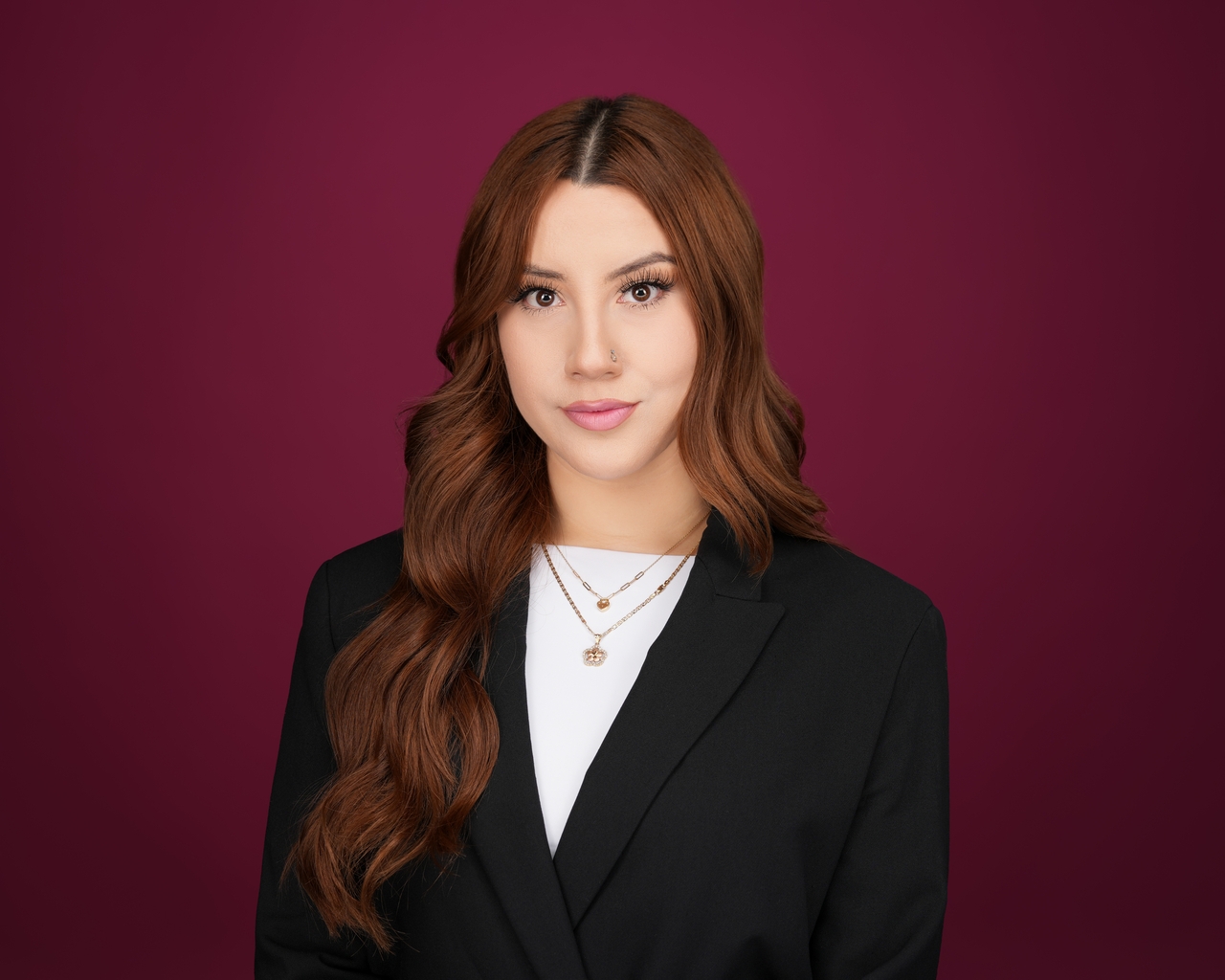
For women
- Necklines and layersChoose a modest V-neck, crew neck, or a collared look. Structured layers (blazer, jacket, cardigan) often photograph well.
- FitPrioritize comfort and clean lines. If you are tugging or adjusting on set, it will show in close-up headshots.
- Patterns and fabricsSolid colors and subtle texture tend to read best. Choose fabric that holds shape and does not wrinkle easily; skip tiny high-contrast patterns and loud logos.
- AccessoriesKeep jewelry minimal and professional. Small earrings or a simple necklace work well; avoid anything flashy or reflective.
Selecting colors that photograph well for headshots
Color choices for professional headshot attire work best when they create gentle contrast with your skin and the background. Mid-tone blues, greens, charcoal, and warm neutrals often photograph well. Pure white can clip under bright lighting, and pure black can lose detail. Color also influences how people interpret you at a glance, which is why research on color and psychology and color and brand perception is useful when you are choosing a palette for a headshot.
Color palette and season notes
Use this as a quick wardrobe checklist when you are choosing colors, layers, and accessories. The goal is to keep attention on your face first, and make sure you look comfortable in the season you are shooting in. Do a quick phone “thumbnail test”: step back, zoom out, and confirm your face and neckline stay the focus.
| Choice | Why it works |
|---|---|
| Neutral palette | Timeless and flexible, especially if the headshot will live on your website for a while. |
| One bold accent | Keeps personality without pulling attention away from your face. |
| Mid-tone solids near the face | Solid colors read clean in a thumbnail and are usually easier to light than solid black or bright white. |
| Subtle texture over micro-patterns | Knits, matte weaves, and small texture add depth. Tiny high-contrast patterns can shimmer or distract. |
| Season-appropriate layers | Prevents “overheated” or “freezing” body language, and helps you look comfortable. |
| Hot / cold weather prep | Heat: spare shirt and blotting paper. Cold: structured jacket; keep bulky scarves off-camera. |
| Neckline and collar clarity | Clean necklines photograph well in tighter crops and help your face stay the focal point. |
| Accessories (simple and repeatable) | Choose jewelry or watches you actually wear. If an item is “new you”, it can feel distracting. |
| Sustainable staples | If you buy something new, choose a work staple you will re-wear (not a one-time outfit). |
Clothing choice is one of the most important steps, it affects how you read before you speak.
Grooming and Makeup
Natural grooming (everyone)
A professional grooming routine is about looking clean, rested, and like yourself on camera. Tidy brows, clean nails, and moisturized skin help, but avoid a glossy finish. For skin care, consistency beats “new”: keep your routine gentle, and do not test new actives, facials, or aggressive exfoliation right before the appointment.
If you have sensitive skin, patch testing anything new well in advance can prevent last-minute irritation. DermNet has a solid medical overview of patch testing and why reactions can take time to show up. For scent, go light on fragrance (especially in studio settings). Inclusive prep works the same way: grooming should support your presentation, not force a look.
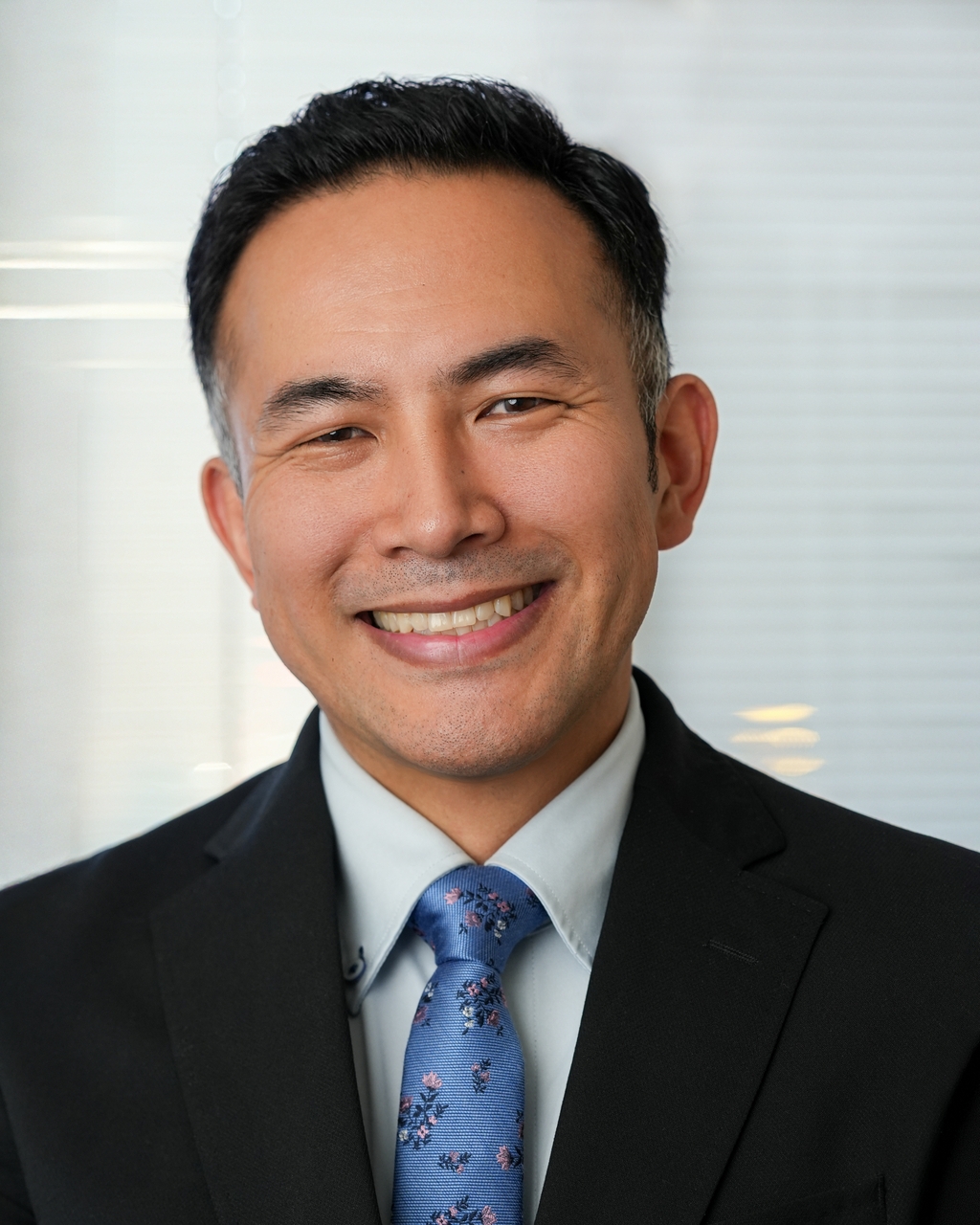
For men
- Facial hair cleanupShave the morning of, or the night before if your skin is sensitive. Trim beard lines and check under-chin edges.
- Hair styling tipsBring the product you normally use. Avoid experimenting with a new product right before the session, and avoid excessive gel or anything that looks shiny under studio lights.
- Skin and shineUse a moisturizer that dries down to a natural or matte finish. If you get oily, bring oil-absorbing sheets or blotting paper.
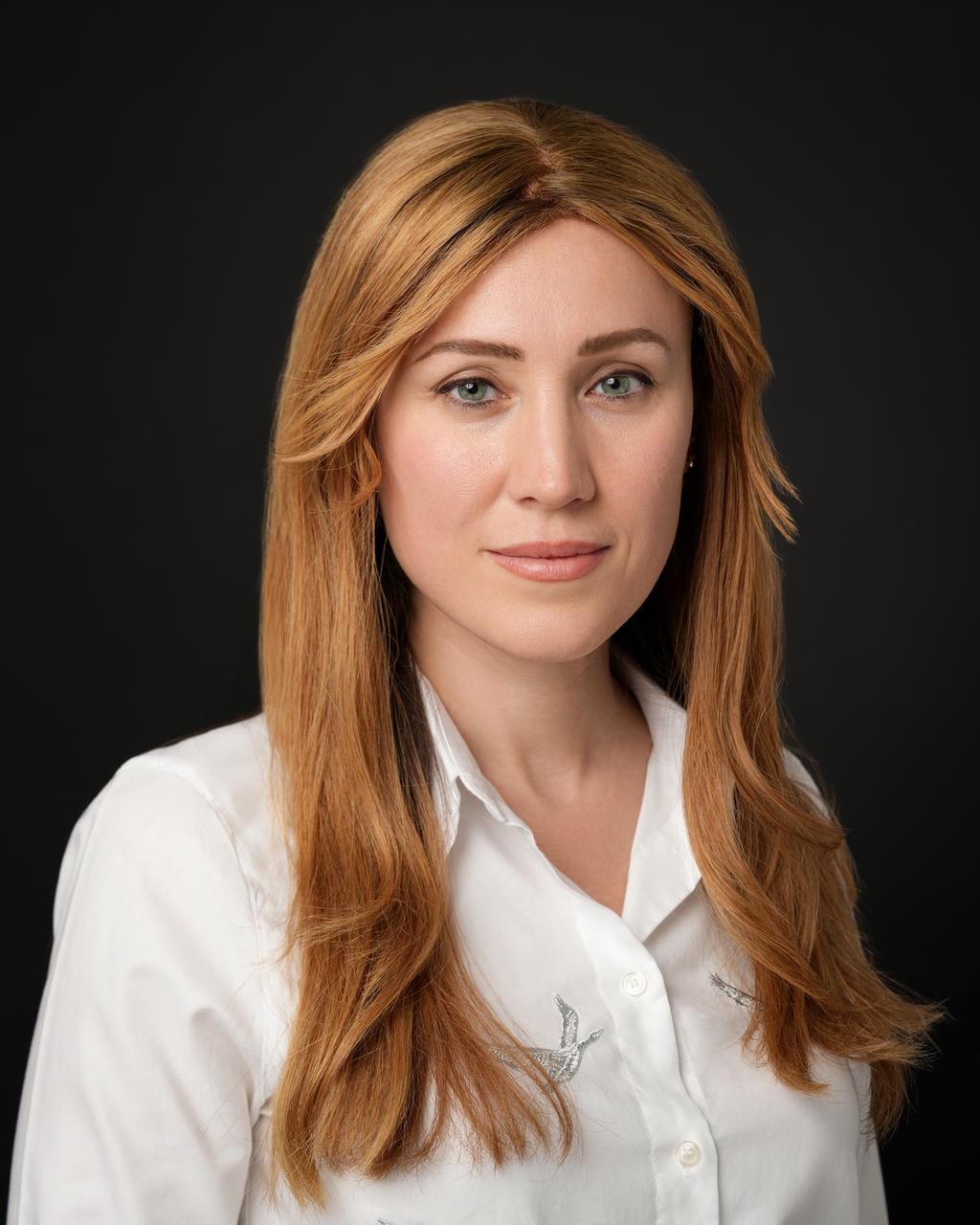
For women
- Makeup, keep it naturalA natural, polished look is best. Use light foundation, neutral eyeshadow, and a soft lipstick shade.
- Keep shine downUse powder strategically (T-zone) rather than layering heavy foundation. Avoid heavy contouring, shimmery products, or bold colors that can pull attention from your face.
- HairMake sure hair is clean, well-groomed, and styled neatly. Keep it smooth and controlled, and avoid messy or overly voluminous styles if they do not feel like your everyday look.
- GlassesClean lenses and bring a microfiber cloth. Consider contacts if reflections bother you, but only if you already wear them.
Hair notes for different styles
| Hair type / choice | Prep note |
|---|---|
| Curly, coily, or textured hair | Keep your routine consistent. Avoid a brand-new cut or product right before; bring a small refresh product you already use. |
| Protective styles (braids, twists, locs) | If you plan a fresh install or retwist, schedule it a few days ahead so it settles naturally. Bring edge control or a small brush if you normally use one. |
| Straight hair | Avoid heavy oils that can read greasy on camera. Control flyaways with what you already trust. |
| Short hair or buzz cut | Plan a cleanup 3-7 days before so lines look neat but not freshly irritated. Moisturize the scalp if it gets dry or shiny. |
| Updo vs down | Choose the style you wear most often at work. If you are unsure, bring clips/ties so you can try both quickly. |
| Wigs, weaves, or extensions | Wear what you can move and repeat confidently. Check the hairline in natural light and bring the brush or adhesive products you normally use. |
| Bangs or fringe | Trim a few days ahead if needed. Bring a small comb so it stays consistent between looks. |
| Root touch-up timing | Schedule a few days ahead so the color and scalp feel natural. |
| Dry shampoo | Use lightly and brush through fully; too much can look powdery in close-ups. |
| Head coverings (hijab, turban, etc.) | Bring 1-2 options in solid colors that frame the face cleanly. If you use pins, bring extras so the shape stays neat. |
Skin and makeup edge cases
Skin notes by type: for mature skin, prioritize hydration and a natural finish (heavy powder can emphasize texture). For acne management, avoid harsh new treatments right before; keep prep gentle and consistent. For rosacea or sensitive skin, use products you already tolerate, patch test anything new well in advance, and keep fragrance low.
Simple makeup routine for shoot day: even out tone, define eyes and brows, and keep shine controlled. Less usually photographs more modern.
The goal is to look like yourself, only more rested. Most issues come from last-minute changes.
Session Logistics, Packing, and What to Expect
Essentials to pack
- Transport outfits carefullyBring outfits on hangers, plus a lint roller and a backup top. This prevents wrinkles and last-minute stress.
- Quick-fix kitSafety pins, a stain pen, tissues, and a small mirror can save a look if something happens.
- ContactsIf you already wear contacts, bring drops and a case. Do not switch to contacts for the first time on shoot day. The AAO contact lens care guide is a good refresher if it has been a while.
If you are coming to our Santa Clara studio
Plan to arrive a few minutes early so you are not rushing. Use that time for a final collar, lint, and shine check in natural light. If you want to preview the route, use our Google Maps listing.
What to expect: before, during, after
Before: you should have outfits picked, grooming finished, and your goal defined (what do you want to communicate?). If you feel unsure, ask your photographer what clothing and background options work best for your use case.
During: direction is normal. If seeing photos during the shoot would help you feel confident, ask whether you will review images as you go.
After: confirm how final selections work and what retouching is included so expectations match the result.
Indoor vs outdoor considerations
Indoor: controlled light rewards clean lines and controlled shine. Plan for tighter crops and details like collars and lint.
Outdoor: wind and sun change hair and shine quickly. Bring a comb, blotting paper, and a layer you can add or remove.
The goal is to remove friction so you can focus on expression and presence during the shoot.
A Simple Prep Framework: Fit, Finish, Expression
Use this when you feel overwhelmed
If prep starts to feel like too much, use one simple framework. Every strong headshot prep decision should improve fit, finish, or expression. If it does not, skip it.
Fit
- Clothes fit and necklineGood fit and clean necklines keep attention on your face and make the crop look intentional.
- Role matchWear what matches your real professional context. Authentic wardrobe usually wins.
Finish
- Matte where it mattersControl shine on the forehead, nose, and chin so skin reads cleanly under light.
- DetailsWrinkles, lint, stray hairs, and smudged glasses are small, but they show up fast in tight crops.
Expression
- Pick a single intentDecide what you want to project and keep it consistent. You can always add variety after you lock a solid baseline.
- Practice for 2 minutesTake a few phone selfies in window light and look for what reads best in a thumbnail, not just full-screen.
This framework is simple on purpose. It keeps prep practical and repeatable.
2026 Trends: What Actually Changed for Headshots
What changed in 2026, and what did not
The biggest change is where headshots live. Most people see yours as a small thumbnail or a cropped circle in a directory. That means your neckline, collar, and expression matter more than the details on your outfit. The best prep is still simple: clean lines near the face, tidy grooming, and a matte finish where you tend to shine (forehead, nose, chin) so your features stay readable.
Another change is expectations. Natural looks modern, but natural does not mean unprepared. Keep skin texture believable, avoid overly shiny makeup, and choose an expression you can repeat. Use the thumbnail test: take a quick phone selfie in window light, zoom out until your face is small, and make sure your eyes and expression still read clearly.
Trends in natural headshot grooming 2026
Natural grooming in 2026: the goal is to look like yourself on a great day. Keep hair tidy, keep skin hydrated, and avoid last-minute experiments that change texture or cause irritation. If you wear makeup, aim for even tone and controlled shine, not heavy smoothing. If you have facial hair, clean edges and consistent length photograph better than a brand-new style.
For an inclusive approach, choose wardrobe and grooming that match your presentation and role so you look recognizable. If you are in a career transition, bring one look for your current role and one for the role you are moving into. Keep changes reversible on shoot day and skip major last-minute shifts.
AI headshots and relighting: how to use them responsibly
We see more AI-generated headshots in 2026. AI can help with lighting balance or small polish, but it still needs a strong source photo. The highest quality results come from a real, well-lit headshot with a natural expression, clean neckline, and accurate skin tone. Think of AI as a finishing tool, not a substitute for the base image.
A practical DIY workflow (with examples)
- Start with a strong source imageUse a real headshot with good focus, natural expression, and clean lighting. Avoid harsh overhead light and avoid mixed color casts if you can.
- Try Higgsfield Relight for lighting cleanupIf you want to experiment, Higgsfield Relight can help you test different lighting directions. Keep the change subtle so the result still looks like you.
- Use Gemini Nano Banana to improve your headshot (without reshaping)If you want to experiment with AI, try Gemini Nano Banana to improve lighting and polish while keeping you recognizable and avoiding face reshaping. Example prompt:
Use the provided headshot as the source. Keep the same person and facial features. Do not change age, face shape, jawline, nose, eyes, or hairline. Improve lighting subtly (balanced, natural), reduce lens glare, keep realistic skin texture, and keep colors true-to-life. Professional headshot, neutral background, photorealistic, high resolution. - Know when a real headshot winsA real headshot is easier to trust because it captures you accurately, looks consistent across crops, and avoids “almost you” artifacts that can feel off in professional settings.
In 2026, the best preparation is still simple: a strong source photo, intentional wardrobe and grooming, and an expression you can repeat naturally.
What Most Headshot Prep Guides Miss
Small details that matter in tight crops
- The thumbnail testZoom out until your face is tiny. If your neckline, collar, and expression still read, you are on the right track.
- Collar and shoulder symmetryA collar that sits unevenly or a wrinkled shoulder is surprisingly distracting in a head-and-shoulders crop.
- Glasses reflectionsIf you wear glasses, bring a microfiber cloth and ask about reducing glare. Small angle changes can fix most reflections.
- ScentSkip heavy fragrance. It is a simple way to stay considerate and comfortable in a studio setting.
- Consistency beats complexityA hairstyle and wardrobe you can repeat confidently usually looks more professional than a one-off transformation.
If you focus on these details, your headshot will look intentional even in a small circle crop.
Next Steps (So You Can Book With Confidence)
If you are ready
- Confirm your use caseDecide where the headshot will live: LinkedIn, a company directory, a website bio, a speaking profile, or a press kit.
- Review options and pricingSee packages and what is included on our pricing page.
- Book your sessionWhen you are ready, you can book online.
- Browse real examplesSee finished work in our women’s headshot portfolio and men’s headshot portfolio.
- Read client feedbackIf you want more context before booking, see our testimonials.
If you are not sure which direction fits your role, bring two looks and we will narrow it down quickly on set.
Headshot Preparation FAQ
How many outfits should I bring for a headshot session?
Bring 2–3 outfits that match how you actually show up at work, plus a backup top. Two strong looks beat a suitcase of options, and fewer choices keeps shoot day calm.
What colors photograph best for professional headshots?
Solid colors and low-contrast textures usually photograph best, especially in thumbnails. Choose colors that flatter your skin tone and match your role. Avoid very busy patterns and highly reflective fabrics.
When is the best time to get a haircut before headshots?
For most people, 5–10 days before is a safe window. It looks fresh, but it has time to settle, and any irritation has time to calm down.
How do I avoid shiny skin in headshots?
Keep skincare consistent, avoid trying new products right before, and bring blotting paper. A light dusting of translucent powder can reduce shine on the forehead, nose, and chin.
Should I wear glasses in my headshot?
If you wear glasses daily, it is often best to wear them so you look like yourself. Clean the lenses and bring a microfiber cloth. If reflections are a concern, ask your photographer if they can adjust angle and light to reduce glare.
What should I bring to my headshot session?
Bring your outfits on hangers, a lint roller, blotting papers or powder, a small mirror, and any accessories you plan to wear. If you wear contacts, bring drops and a case, but do not switch to contacts for the first time on shoot day.
How should I prepare if I have acne, rosacea, or sensitive skin?
Keep prep gentle and consistent. Avoid harsh new treatments right before your session. If you use makeup, focus on evening tone and keeping shine controlled, and patch test anything new well in advance.